About me
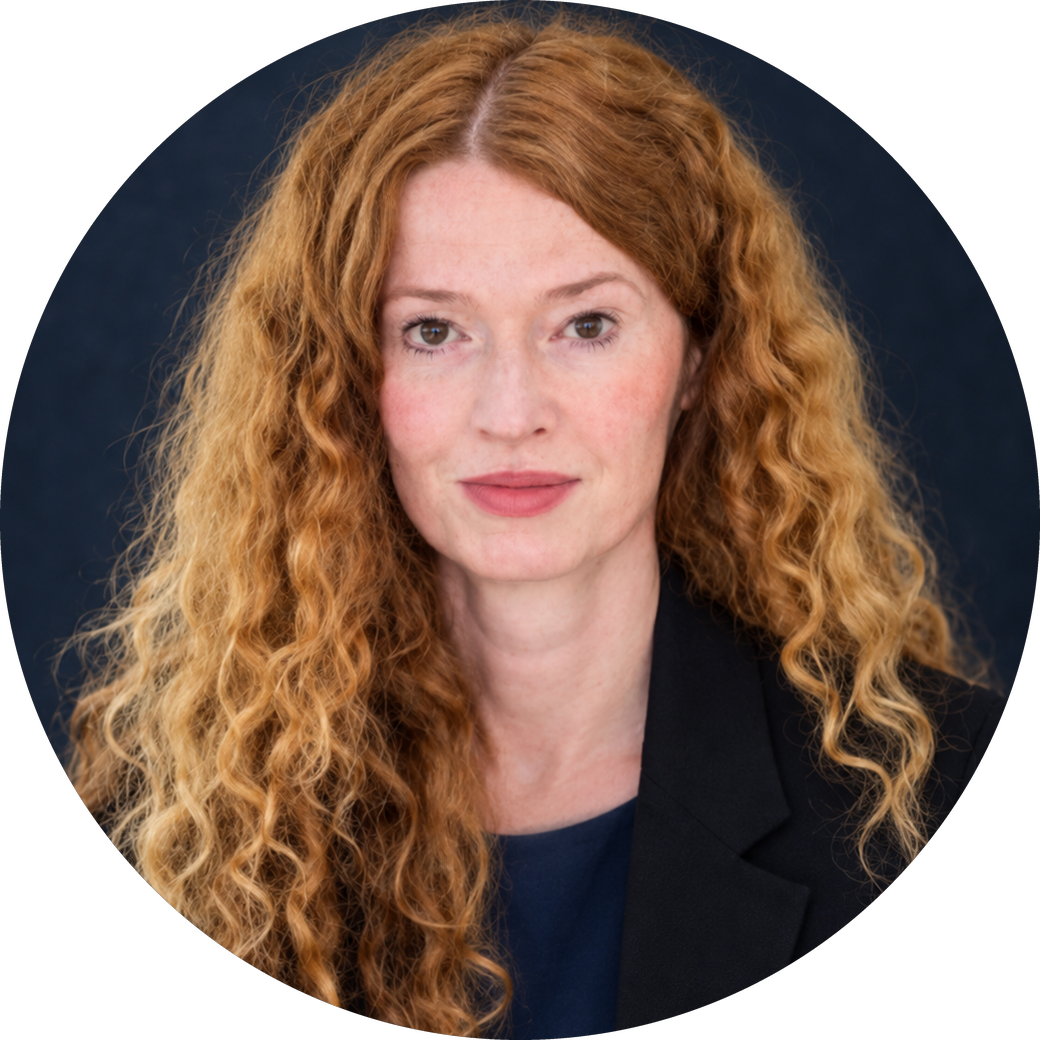
What connects European law, digital platforms and artificial intelligence, sustainability, supranational citizenship and human behaviour? For me, it is the human factor: how we think and decide, how we relate to one another, and how we shape the systems in which we live.
My aim is to use the tools I have to help make those systems serve the well-being of as many people as possible. Education is central to this. It should do more than pass on technical knowledge. It should help us understand how we function as human beings, what we really need in order to flourish, and how genuine connections between us come about.
Where I come from
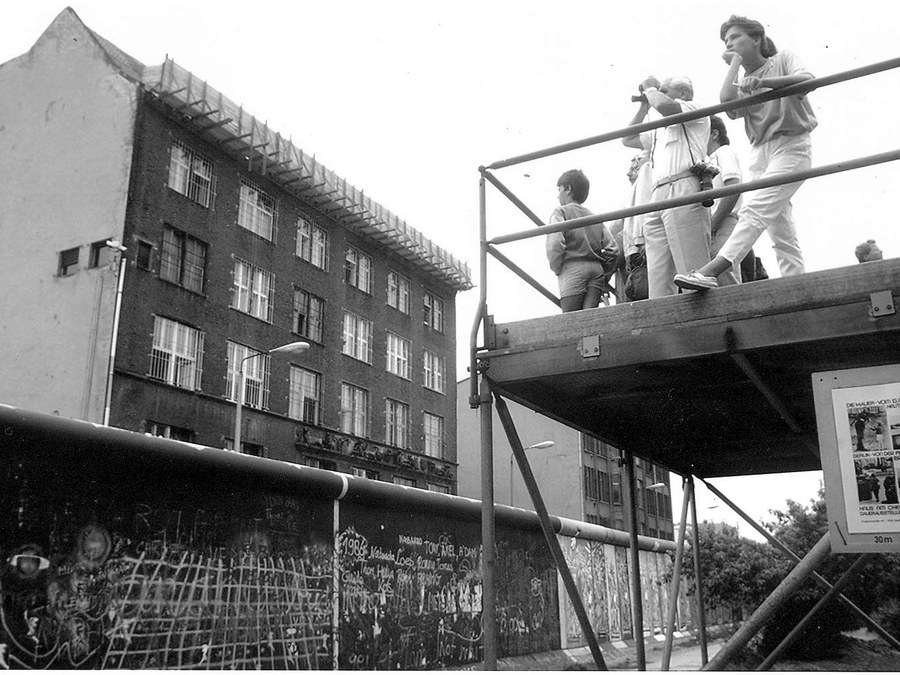
I was born in West Berlin in the 1970s and grew up there. The Cold War had left the city divided by a wall, and West Berlin was a small island in the middle of the GDR.
Life on that island, however, was far freer, more tolerant and more lively than you might have guessed from the outside. People with very different backgrounds and ways of living shared the city. I had the privilege of growing up with freedom, tolerance, creativity and solidarity as everyday values.
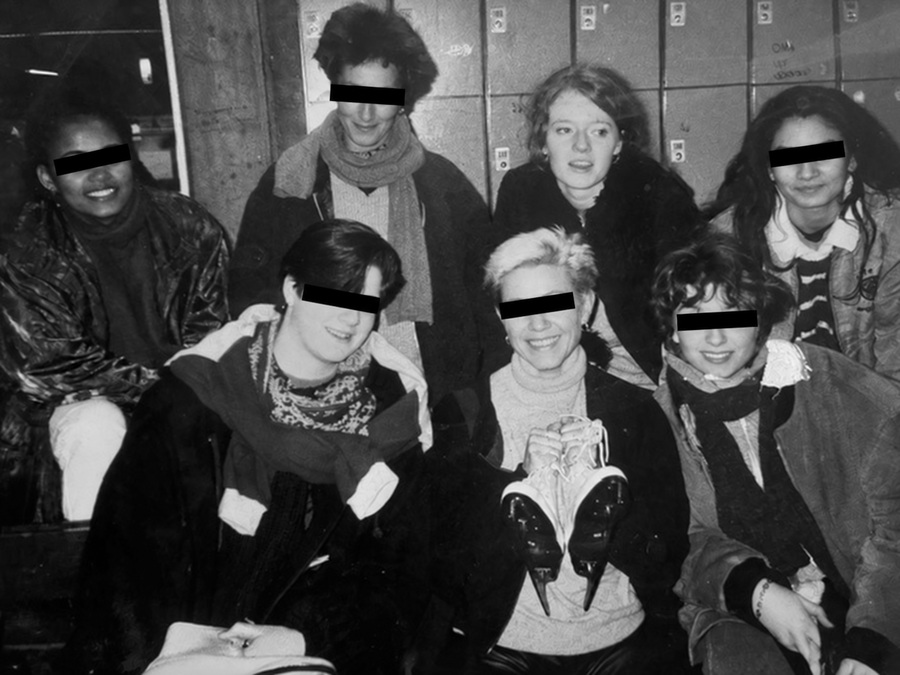

At fifteen I moved into a girls’ flat share in a women’s refuge. The girls I lived with came from very different social and cultural backgrounds. Some had fled wars in Ethiopia and Eritrea, others came from difficult family situations in Berlin.
What we had in common was that we had all had to become independent early in life. Those years showed me how solidarity and belonging can grow between people who might otherwise never have met. They also made me aware of how unevenly the starting conditions in life are distributed.
Why law?
After leaving school, I chose to study law less because of its technical side than because I wanted to understand what people and societies consider to be law, and what they consider to be right.
I had always wanted to live in other countries and understand how people there think and live together, so I specialised in European business law, at the time one of only two areas of legal study with an international dimension.
The European Union also fascinated me: the attempt to connect people from countries with different languages, cultures and histories through common rules.
That curiosity took me from Berlin to Paris, Brussels, Lausanne, London, New York and Bogotá, and into law firms, international organisations and teaching.
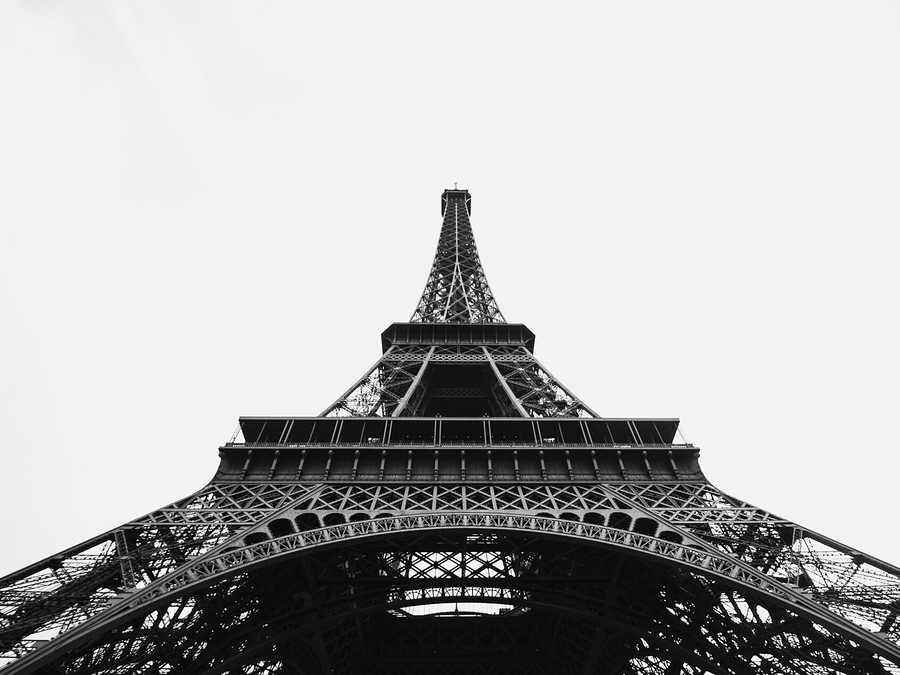
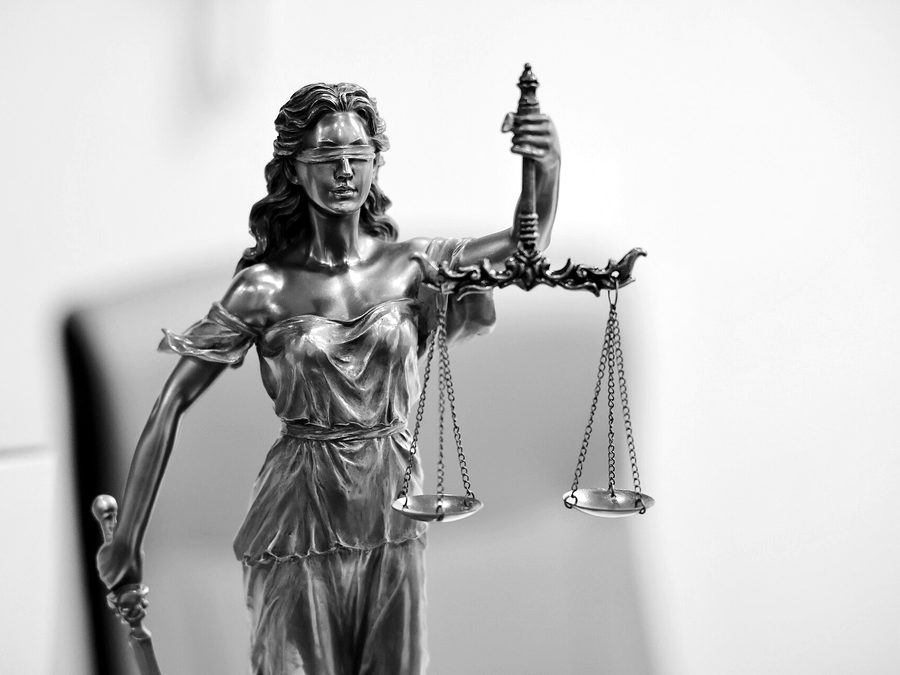
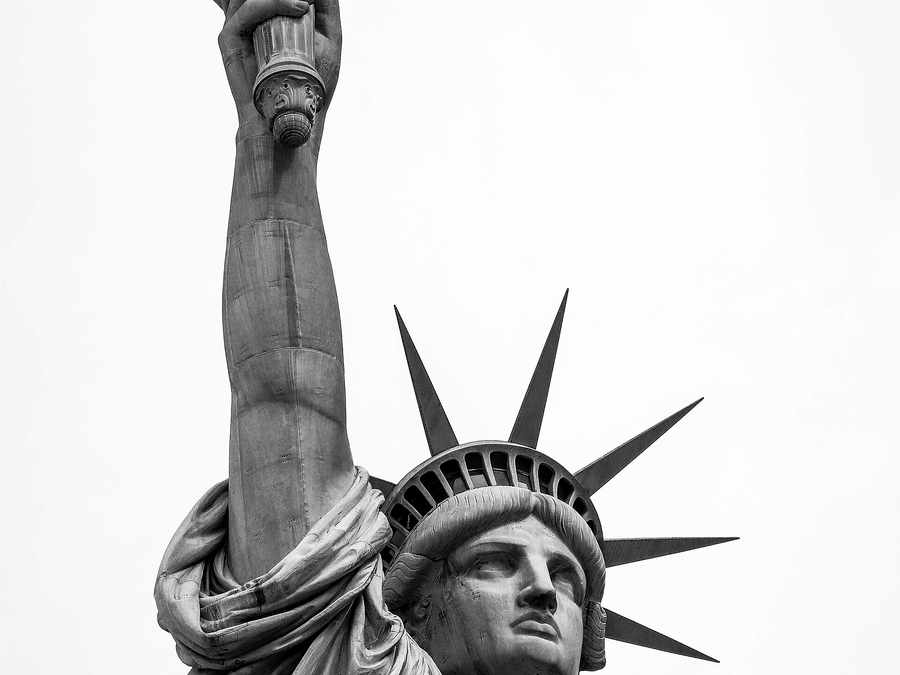
Each of these places showed me not only different legal systems, but also how strongly upbringing, social environment, culture, religion, history and personal experience shape what we consider normal and how we see the world. At the same time, I saw how much we share as human beings, and that people with similar personalities turn up everywhere, whatever their circumstances.
Technology, sustainability, power and responsibility
I have been working on digital markets and new technologies since my time at the European Commission and the doctoral thesis on the EU Microsoft case that followed it, awarded summa cum laude by the Université de Lausanne in 2006.
My current work on digital platforms and artificial intelligence continues these early questions. Power does not lie with the state alone. Digital platforms and AI show particularly clearly how much power over society is exercised these days by private actors. Who holds that power? How is it used, whom does it affect, who is responsible for its consequences, and how can it be limited as fairly as possible?
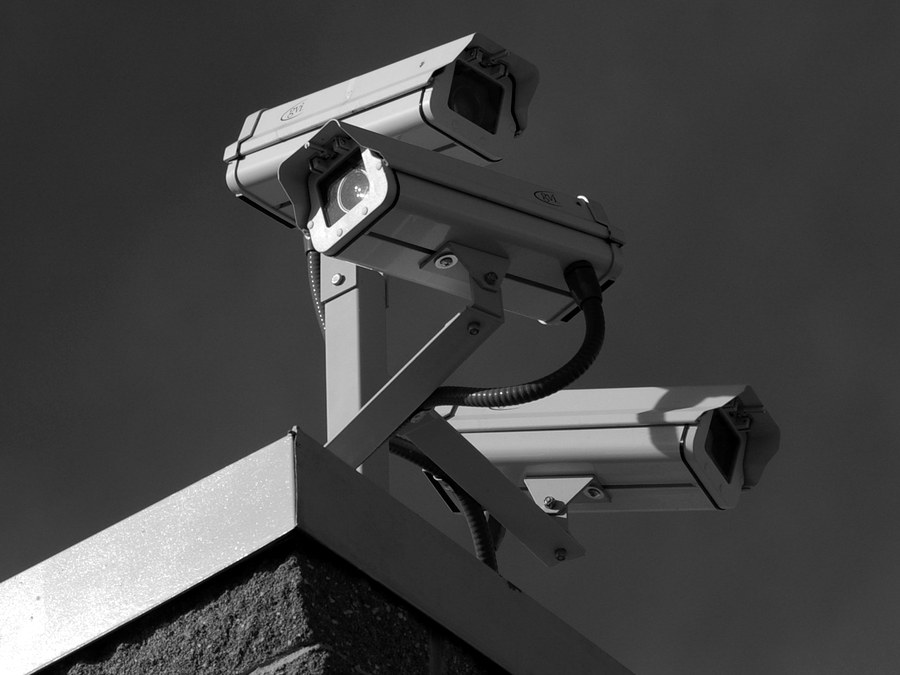
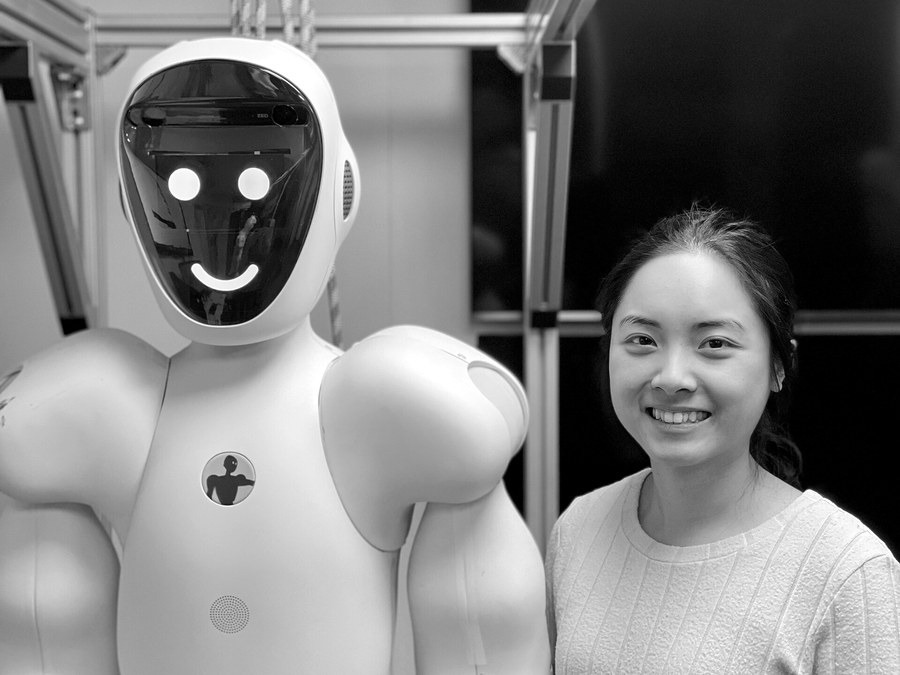
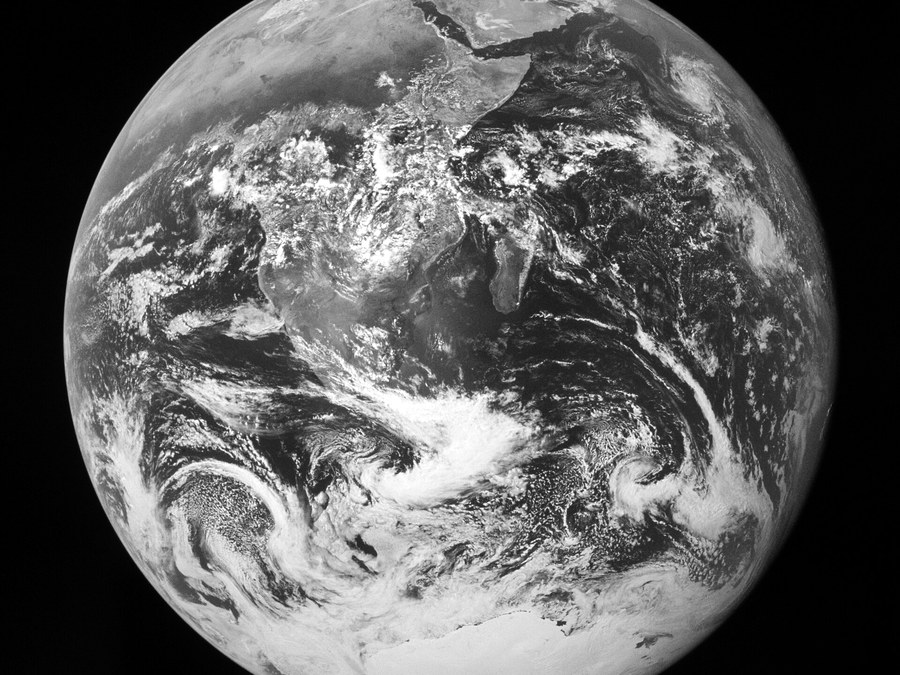
My work on sustainability and the United Nations Sustainable Development Goals is based on the same questions. Here too, the issues are power and responsibility: who benefits from economic development, who bears its costs, and what conditions are we creating for people living today and for future generations? In my view, the rule of law and strong institutions are essential if we are to limit power and manage change responsibly.
Brussels, London and Brexit
I have spent most of the past twenty years living and working between Brussels and London.
Alongside the fall of the Berlin Wall, Brexit is the political event that has marked me most. I saw at close quarters not only how quickly political decisions can alter relationships that had been built over decades, but also how history is shaped as it happens.
In the years after the referendum, I campaigned and ran court cases to preserve EU citizenship for British nationals who had been born before Brexit. What I remain concerned about is not only what its loss means in legal and human terms, but also the potential of EU citizenship itself: its still largely unrealised capacity to connect people across national borders and to create and strengthen a sense of belonging based on shared values.
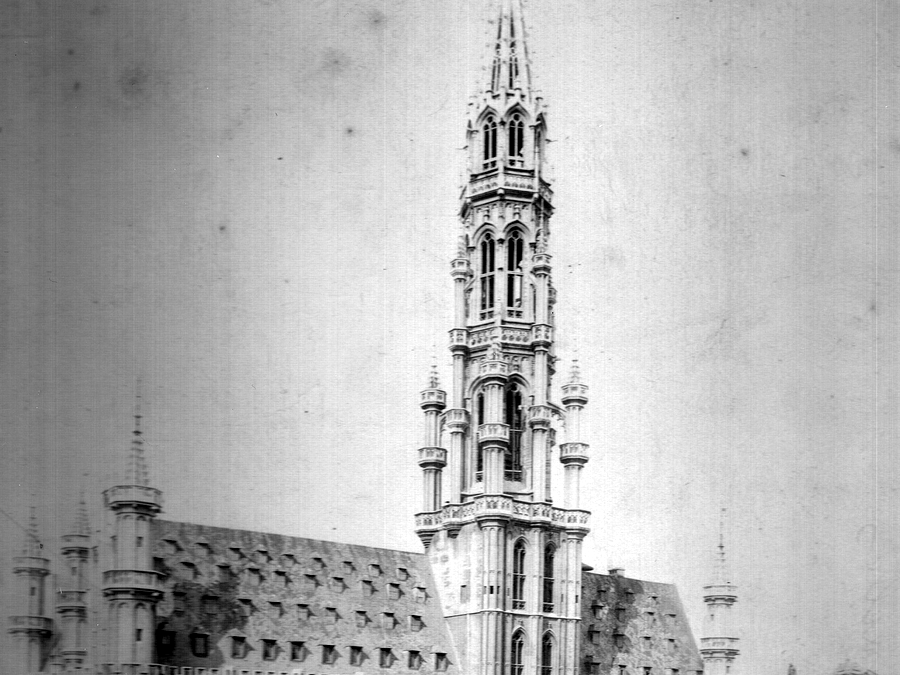
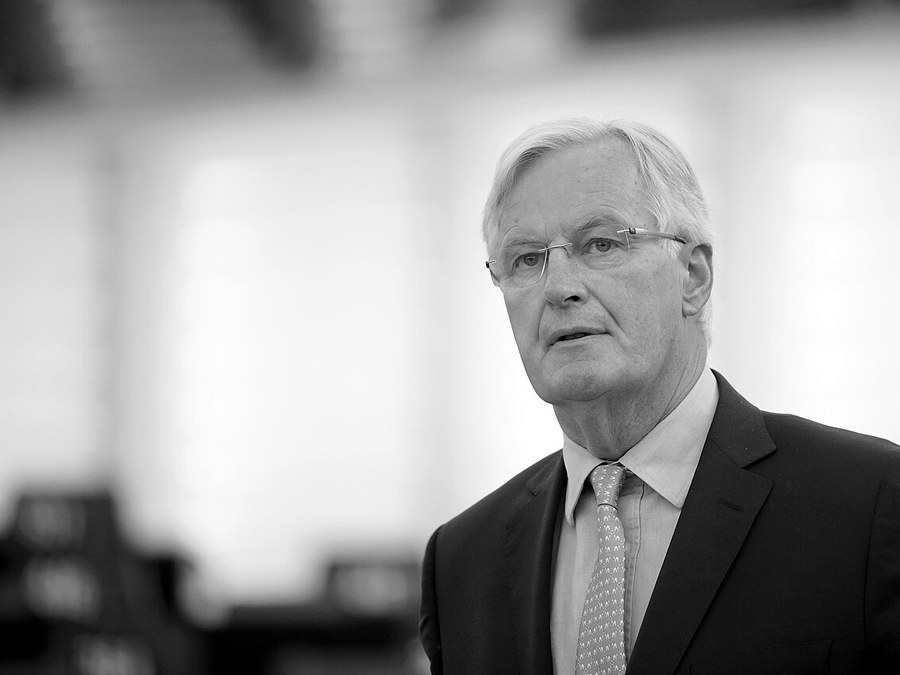
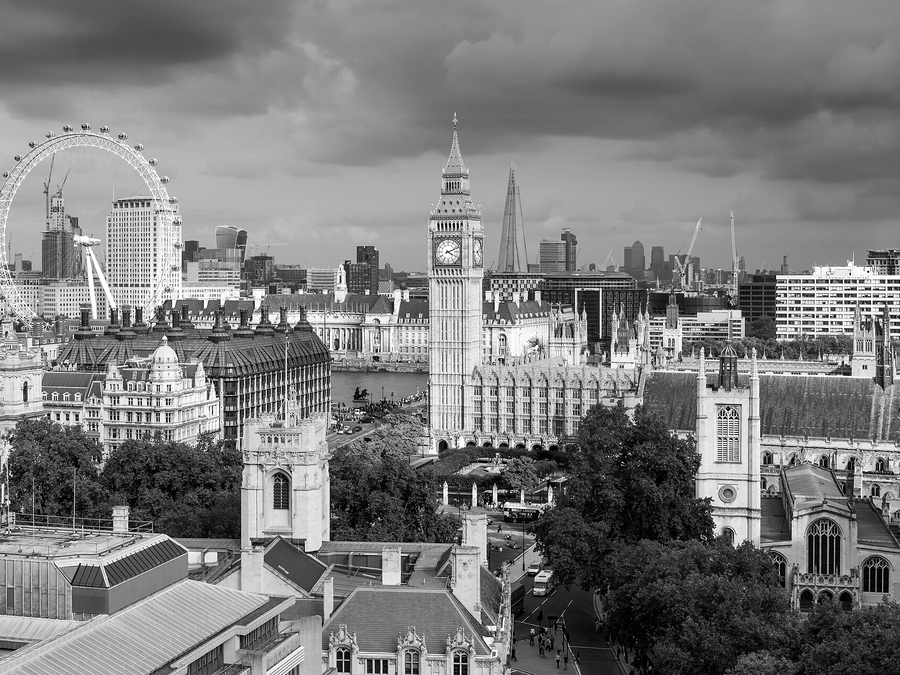
I have also learned that knowledge, good intentions and rules are not enough on their own to produce fair decisions. Legal and political systems are made and applied by people, and experience, interests, fears, cultural differences and unconscious bias all play a large part. This is why I have also begun to look more closely at how the human brain works, as well as at psychology and human behaviour.
How my work fits together
These days I live and work mainly in Brussels, London and Berlin.
As a partner at Keystone Law, I advise on EU competition law and market access, sustainability, digital regulation and artificial intelligence.
Through AVW, I write and teach, give talks and briefings, and provide in-depth analysis and strategic discussions on European law and policy, with a focus on the EU, Supranational Citizenship & Belonging, AI, Digital Power & Human Agency as well as Rule of Law, Institutions & Responsible Change.
What connects all these subjects is the question of how the legal, political, economic and technological systems we create shape our lives, distribute power and affect how we relate to one another. They can protect people and bring them together, but they can also concentrate power and divide societies.
I want to help place people at the centre of how these systems are designed and governed. To do that, we also need to understand how we think and make decisions, what we really need, and how we relate to one another.
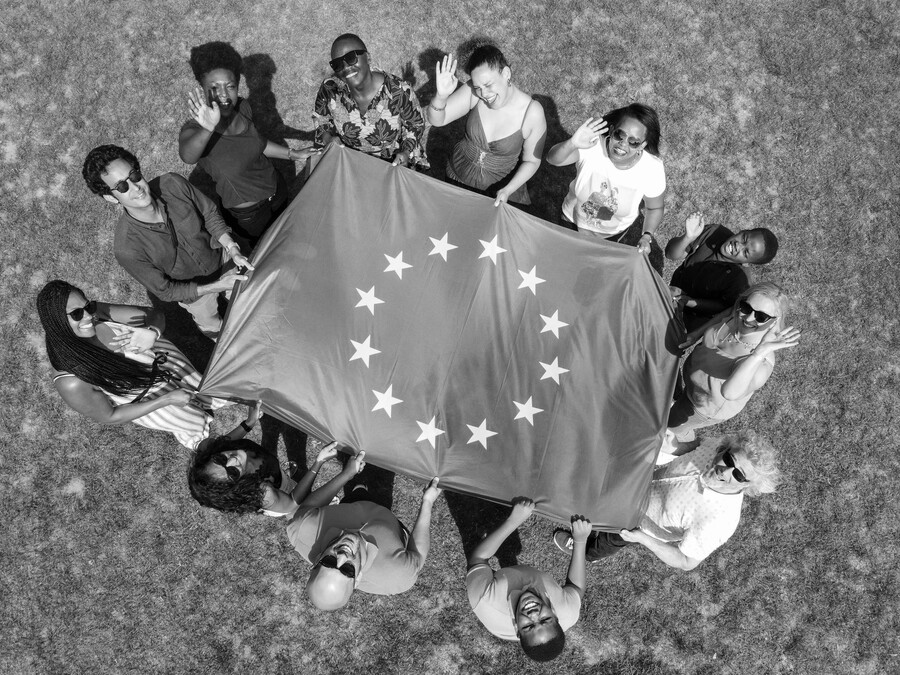
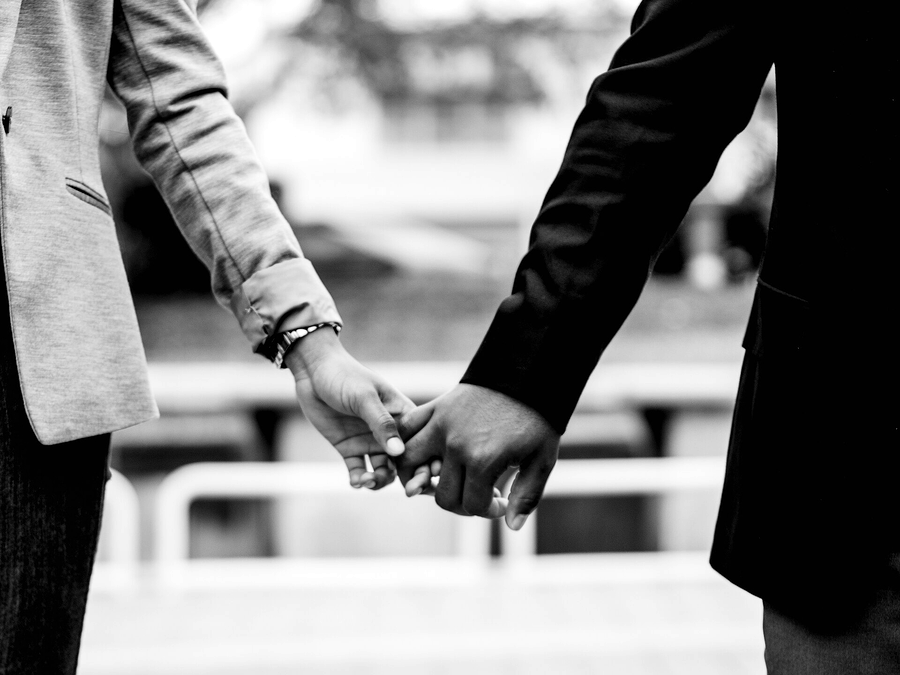
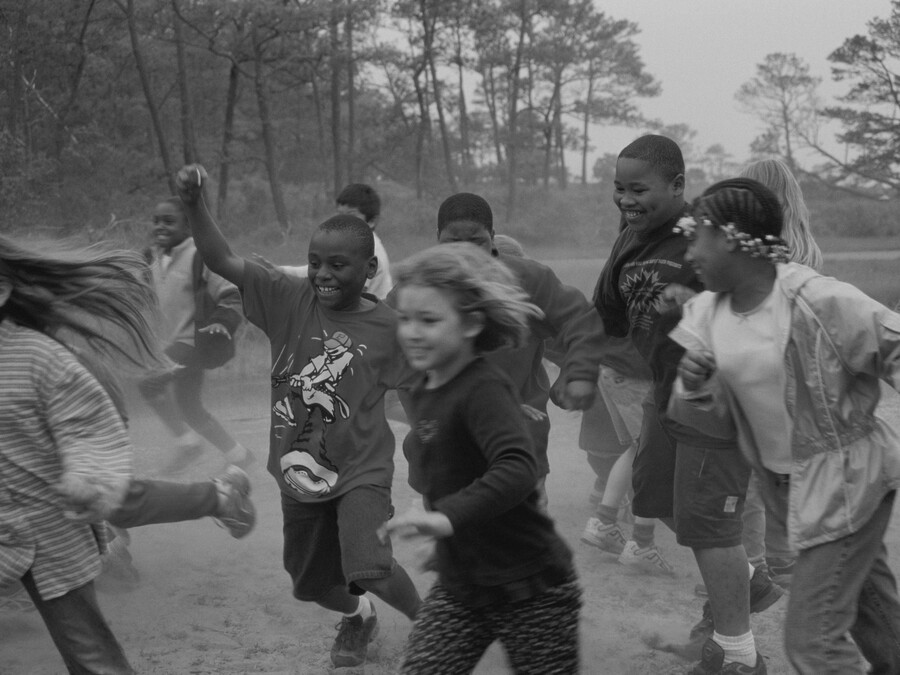
What comes next is not predetermined. It depends on how we shape and use these systems, and on what we decide to protect and what we are willing to change.
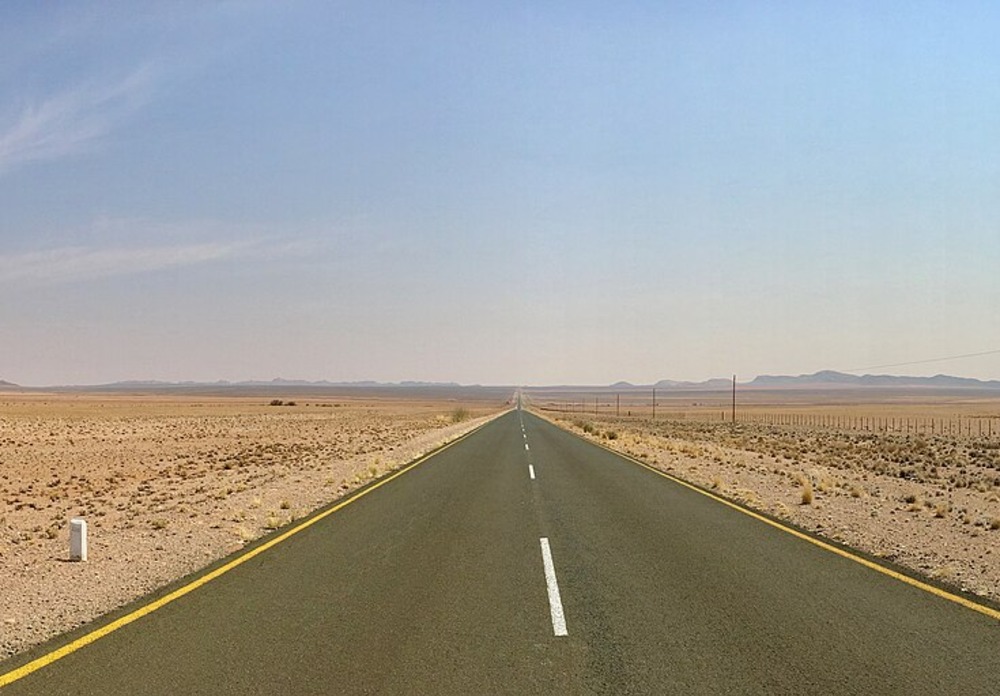
You can read more about my professional and academic background under Background.
Image credits
Berlin Wall, 1986 - Nancy Wong - CC BY-SA 4.0
Musicians montage: David Bowie as Ziggy Stardust - Boris Yaro - CC BY 4.0; Iggy Pop - Roger Woolman - CC BY 3.0; Depeche Mode in Glasgow, 2013 - Fraser Mummery - CC BY 2.0
Lady Justice - DP Singh Bhullar - CC BY-SA 4.0
Three Surveillance Cameras - Hustvedt - CC BY-SA 3.0
Human and Humanoid Collaborative Robot - Nicholas-halodi - CC BY-SA 4.0
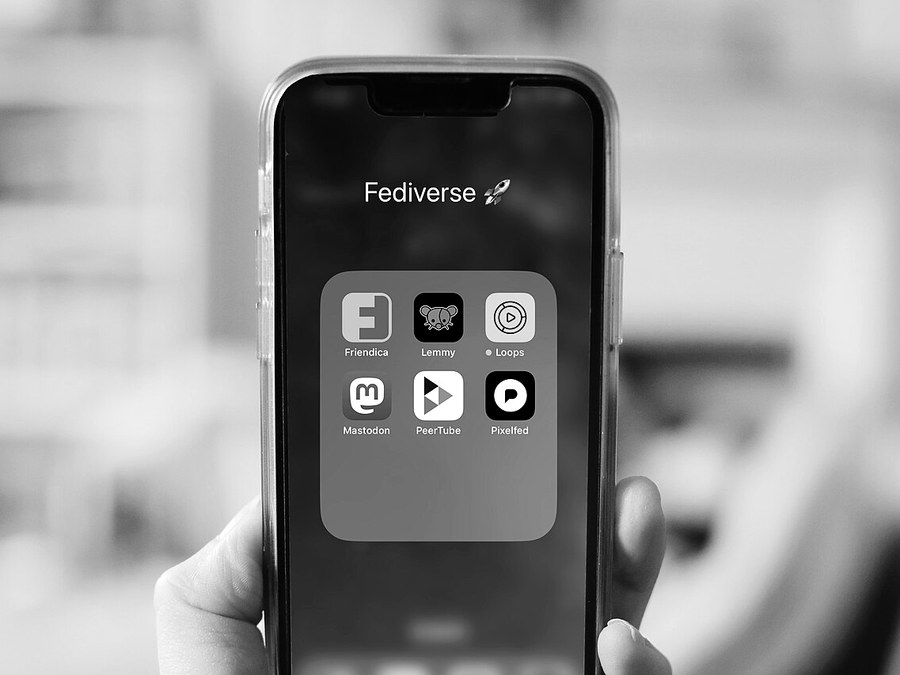
Fediverse Smartphone Apps - Elena Rossini - CC BY-SA 4.0
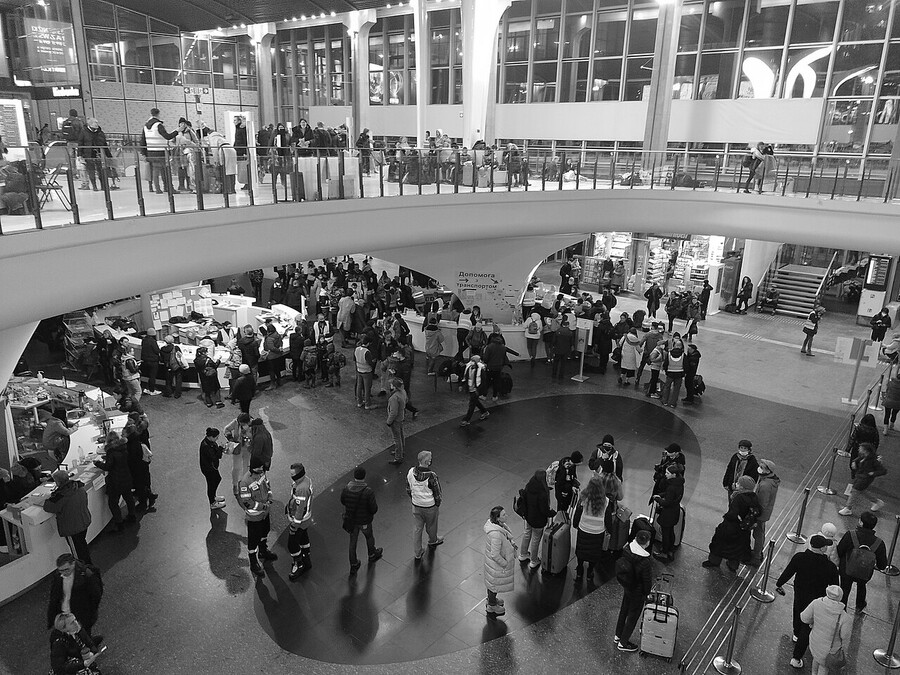
Warsaw Central Station During the Ukrainian Refugee Crisis - Kamil Czaiński - CC BY-SA 4.0
Brexit Debate - Michel Barnier - European Parliament - CC BY 2.0
Palace of Westminster - Colin - CC BY-SA 4.0
Multicultural Group Holding a European Flag - Lukasz Kobus / European Commission Audiovisual Service - CC BY 4.0
Road to Horizon - Sonse - CC BY 2.0
Further images: public domain or CC0, via Wikimedia Commons.
Images have been converted to black and white, cropped and, where shown as a montage, assembled side by side. The final road photograph remains in colour. Adaptations of CC BY-SA works are shared under the same licence.